
Call us now :08045479296
 Send Inquiry
 Send Inquiry
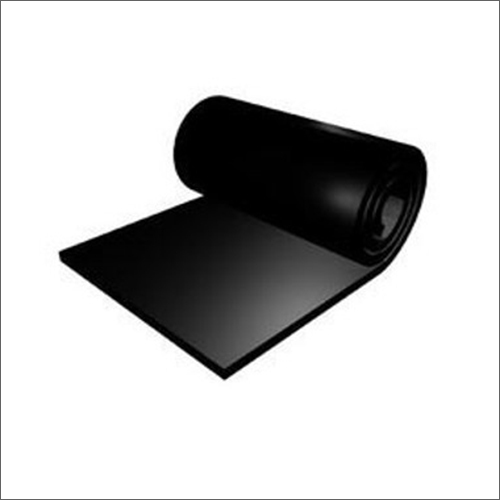
Architectural Buildings Rubber Profiles
Price 400 INR/ Kilograms
MOQ : 10 Kilograms
Architectural Buildings Rubber Profiles Specification
- Product Type
- Architectural Buildings Rubber
- Diameter
- 50 Millimeter (mm)
- Weight
- 50-250 Grams (g)
- Color
- Black
- Length
- 10 Meter (m)
- Thickness
- 2-20 Millimeter (mm)
Architectural Buildings Rubber Profiles Trade Information
- Minimum Order Quantity
- 10 Kilograms
- Supply Ability
- 1000 Kilograms Per Day
- Delivery Time
- 3-4 Days
- Sample Available
- Yes
- Sample Policy
- Free samples are available
- Packaging Details
- Polythene Bag
- Main Domestic Market
- All India
About Architectural Buildings Rubber Profiles
With huge industry experience, we are engaged in providing Architectural Buildings Rubber Profiles. The provided adhesive is used for different electrical panels and other engineering applications. In addition to this, these profiles are well manufactured by making use of premium quality rubber and advanced technology by our trained professionals. To fulfill set industry quality norms, offered profiles are tested on different quality parameters by our experts. We provide these Architectural Buildings Rubber Profiles in various specific options to our esteemed customers.
Features:
- Excellent resistance from extreme temperatures
- Good resistance to oil and water
- Superior tensile strength
- Cost effective
Reliable Performance for Modern Architecture
Designed for contemporary construction, these rubber profiles deliver consistent sealing and protection across diverse environmental conditions. With their optimal thickness and diameter, they fit seamlessly into structural applications-enhancing insulation and contributing to longevity in architectural buildings.
Versatile Applications in Building Projects
From commercial complexes to residential towers, these rubber profiles offer broad compatibility with windows, doors, and curtain walls. Their standardized 10-meter length and malleable material make installation straightforward, while supporting both retrofit and new construction needs.
FAQ's of Architectural Buildings Rubber Profiles:
Q: How are these rubber profiles used in architectural buildings?
A: These rubber profiles are commonly used to seal gaps around doors, windows, and facade systems, providing protection against air, water, and dust infiltration in architectural buildings.Q: What is the process for installing a 10-meter rubber profile?
A: Installation involves cutting the profile to the required size, aligning it along the designated gap, and pressing it firmly into place, often with adhesives or mechanical fastening for added security.Q: When should I consider replacing existing building profiles with these rubber versions?
A: You should replace old or damaged profiles when you notice decreased insulation, persistent leaks, drafts, or structural wear around windows and doors, as these rubber profiles restore effective sealing.Q: Where in a building are these black rubber profiles most effectively utilized?
A: They are most effectively utilized around window perimeters, door frames, curtain walls, and expansion joints where flexible, durable sealing is required for optimal indoor comfort.Q: What are the main benefits of using rubber profiles of this thickness and diameter?
A: The 2-20 mm thickness and 50 mm diameter offer excellent flexibility and adaptability to a wide range of gaps, ensuring efficient sealing, reduced energy loss, and improved acoustic performance.Q: How does the color and material of these profiles contribute to their effectiveness?
A: The black rubber material provides resistance to UV rays, weather, and chemicals, maintaining performance and appearance over time, while the color offers a discreet finish for most building exteriors.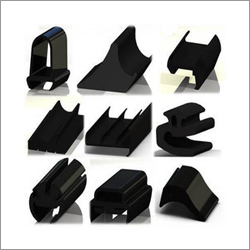
Tell us about your requirement

Price:
Quantity
Select Unit
- 50
- 100
- 200
- 250
- 500
- 1000+
Additional detail
Mobile number
Email

More Products in Rubber Profiles Category
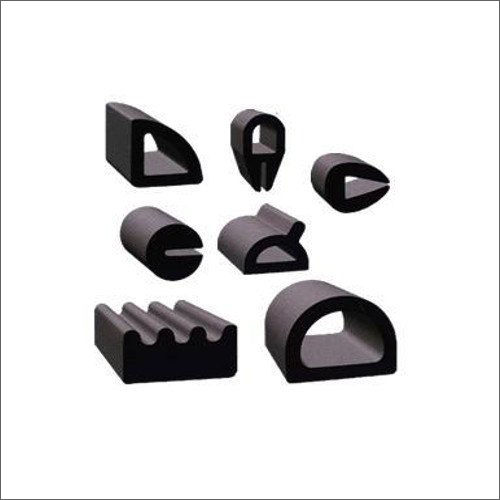
Nitrile PVC Rubber Profile
Price 300 INR / Kilograms
Minimum Order Quantity : 50 Kilograms
Ash % : < 5%
Components : Single or multicomponent profile
Tensile Strength : Minimum 7 MPa
Temperature Resistance : 40C to +110C
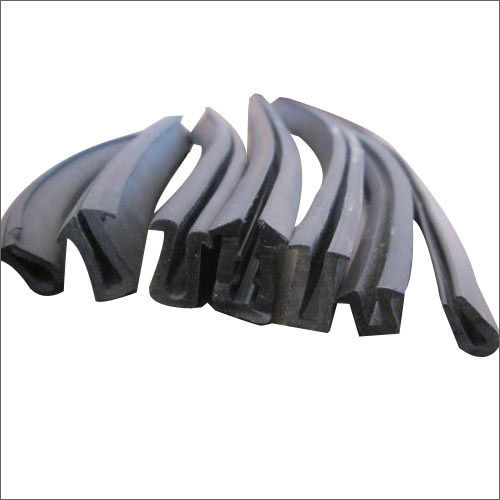
Sliding Window Synthetic U Rubber Profile
Price 100 INR / Kilograms
Minimum Order Quantity : 50 Kilograms
Ash % : Less than 2%
Components : Monoextrusion rubber
Tensile Strength : 8 MPa
Temperature Resistance : 40C to +120C
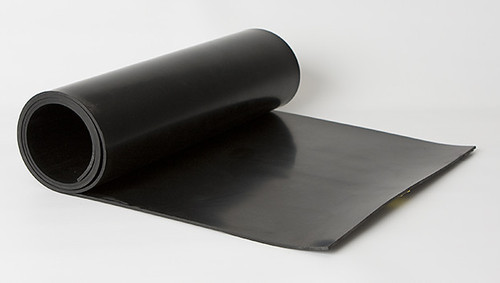
SILICONE Rubber FLATE
Price 650 INR / Kilograms
Minimum Order Quantity : 10 Kilograms
Ash % : <1%
Components : Solid Silicone
Tensile Strength : 711 MPa
Temperature Resistance : 60C to +230C
Dem Rubber Profile
Price 150 INR / Kilograms
Minimum Order Quantity : 50 Kilograms
Ash % : < 5%
Components : Single or multiple extrusion as per need
Tensile Strength : 812 MPa
Temperature Resistance : 40C to +120C

 Send Inquiry
Our Products
- Rubber Profiles
- Rubber Beadings
- Rubber Cords
- Rubber Strips
- Vehicles Rubber Parts
- Windshield Rubber for Vehicles
- Silicone Rubber profiles
- Silicone Rubber Gaskets
- Sponge Rubber
- Rubber Gasket
- Front Rubber Vehicle Products
- EPDM Rubber Profiles
- EPDM Rubber Cord
- EPDM Rubber Strips
- Silicone Rubber Strip
- Rubber Cord
- Natural Rubber Strips
- Wiper Rubber
- Moulding Parts
- Silicone Rubber Pipe
- Rubber Tube


Gali No.5, Mujeri Road, Near Faridabad Convent School, Ballabgarh,Faridabad - 121004, Haryana, India

Mr Madan Mohan
(Proprietor)
Mobile :08045479296
 Send Inquiry
 Send SMS
 Call Me Free
Developed and Managed by Infocom Network Private Limited.
